Elsa Brès
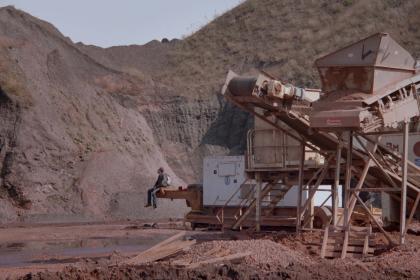
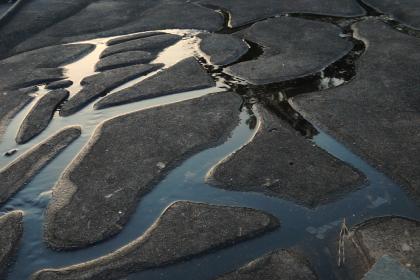
Love canal, 2017 film 2K 5.1, 18 minutes, capture d’écran
L’amour, acte de résistance
Sélection d'œuvres issues du fonds documentaire DDA Occitanie
Love canal, 2017 film 2K 5.1, 18 minutes, capture d’écran
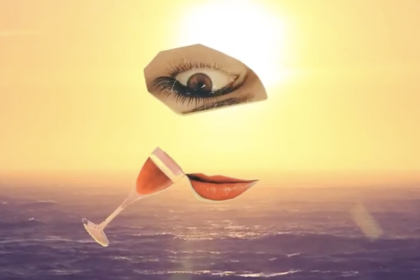
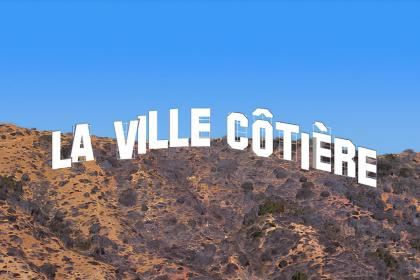
La Ville Côtière, 2013 - in progress, multifaceted project, illustrative image from the website lavillecotiere.fr
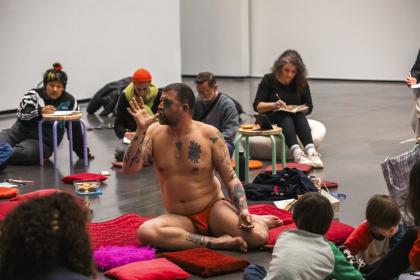
Une ronde d’amour, modèle vivant·e, 2026, performance, les Abattoirs, Musée – Frac Occitanie Toulouse, Toulouse
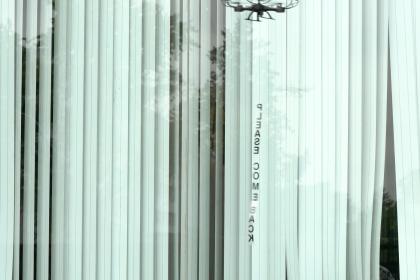
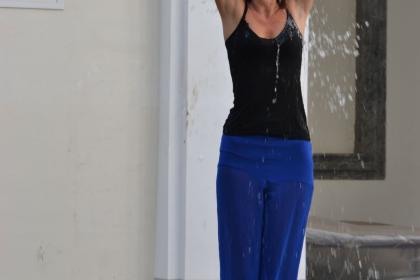
Io non sono il tuo mare, 10th june 2013, performance, 14 minutes, Convento San Domenico Maggiore, Napoli, Italy, photo Francesca Fini
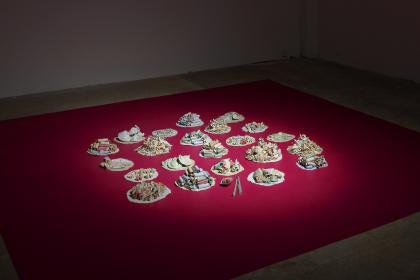
Les festin de papier peint, 2023, installation, fragments and folding of wallpaper on linoleum, 300 x 300 cm, view of the group show Une affaire de famille, 2024, Passerelle Centre d’art contemporain, Brest, France, detail, photo Aurélien Mole
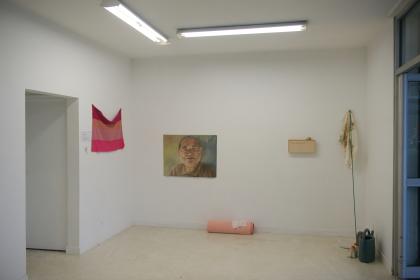
View of the solo show Les cheveux blancs de ma mère, 2024, Station V, Bayonne, France, photo Le Second jeudi

S’occuper de ses oignons, 2019, participative performance, FOMU-Fotomuseum Antwerpen, Antwerp, Belgium, 2024, photo Johan Poezevara
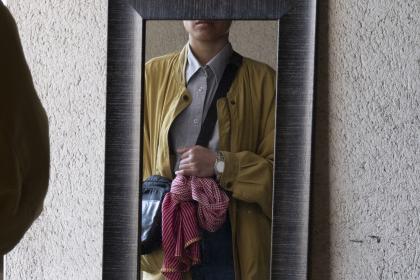
Narcisse avait une sœur, 2023, performance, photo Adrien Canto
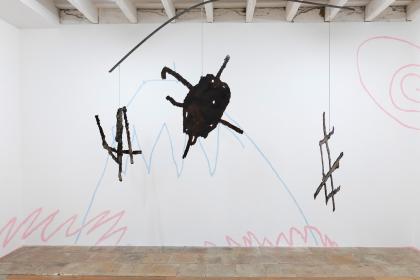
Carte au trésor, 2024, wall chalk painting from several Noé’s drawings and “treasure maps”, detail ; Mobile, 2024, steel, Noé’s signature, cut by plasma, photo Vincent Boutin
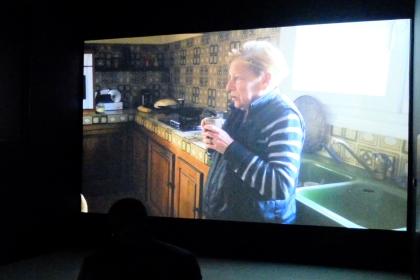
La mère de Jérôme, 2017, court-métrage, 21 min 02 sec
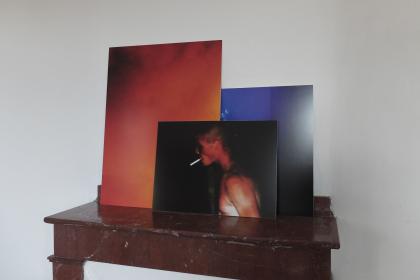
Florilège, 2016, photographies issues des séries La Californie (2011) et Par a dice (2016)
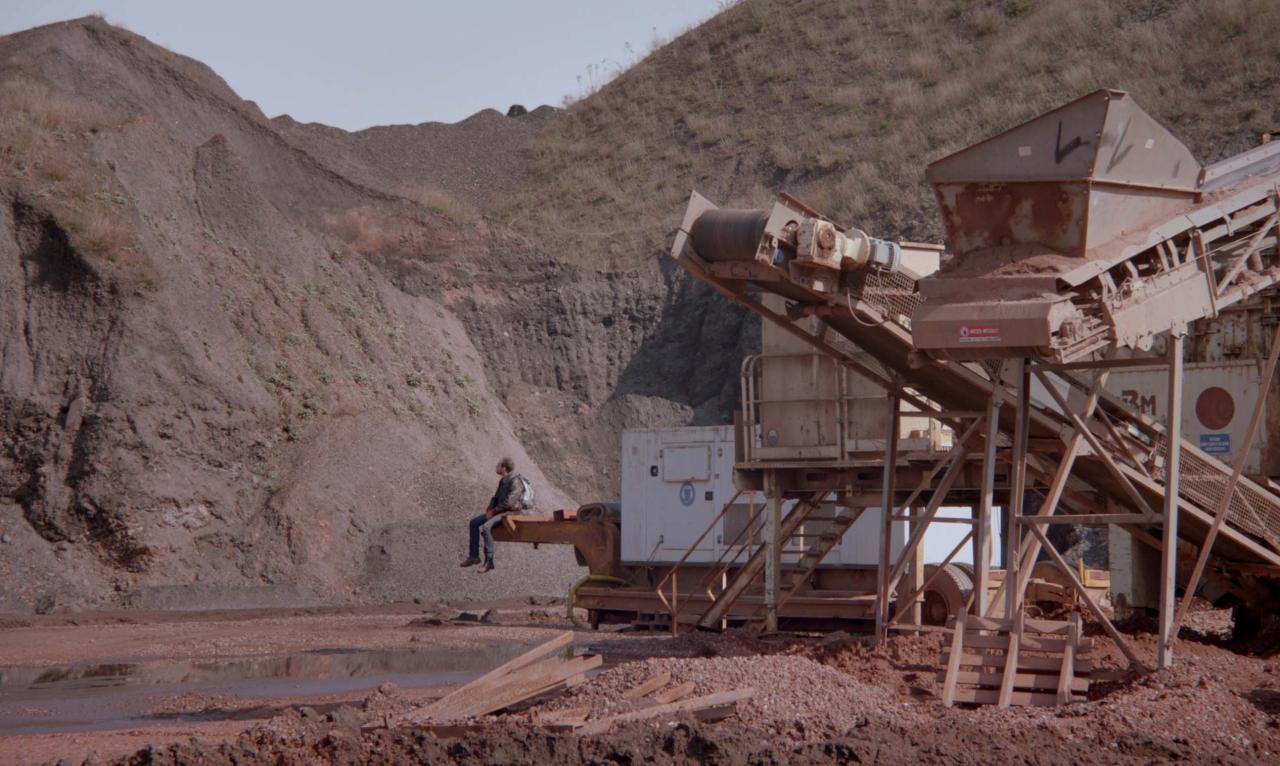
Love canal, 2017 film 2K 5.1, 18 minutes, capture d’écran
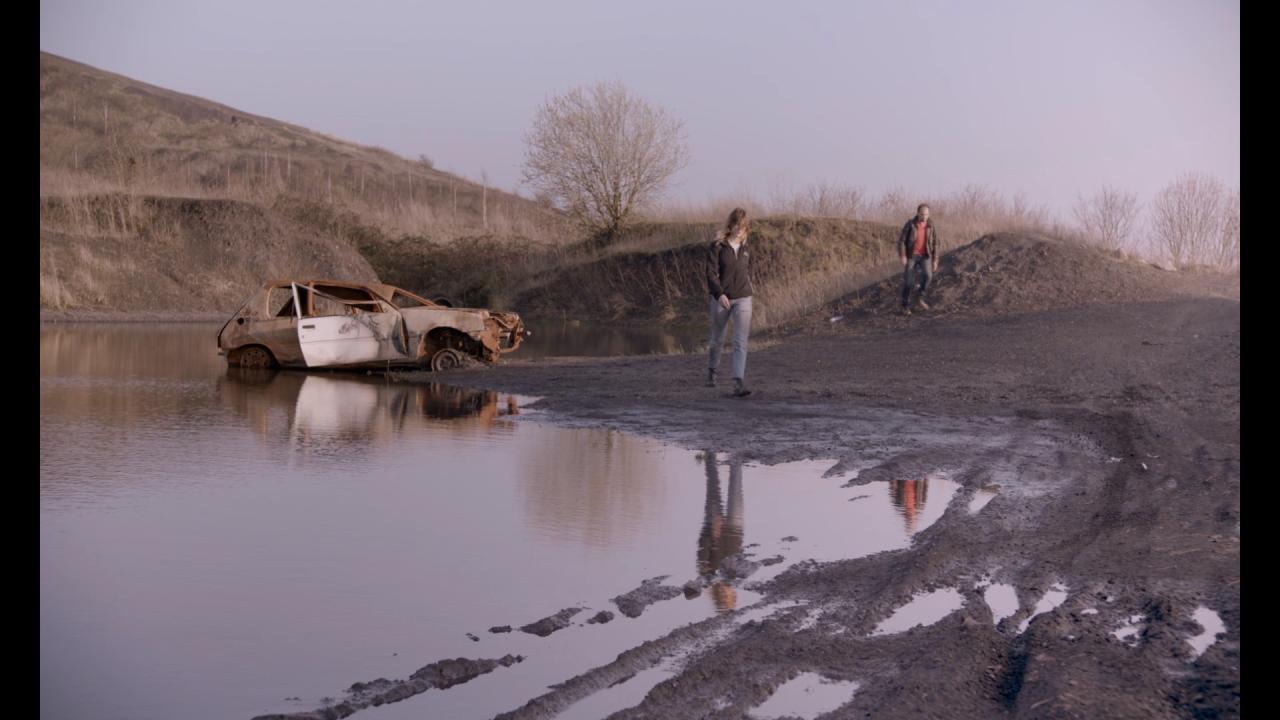
Love canal, 2017 film 2K 5.1, 18 minutes, capture d’écran
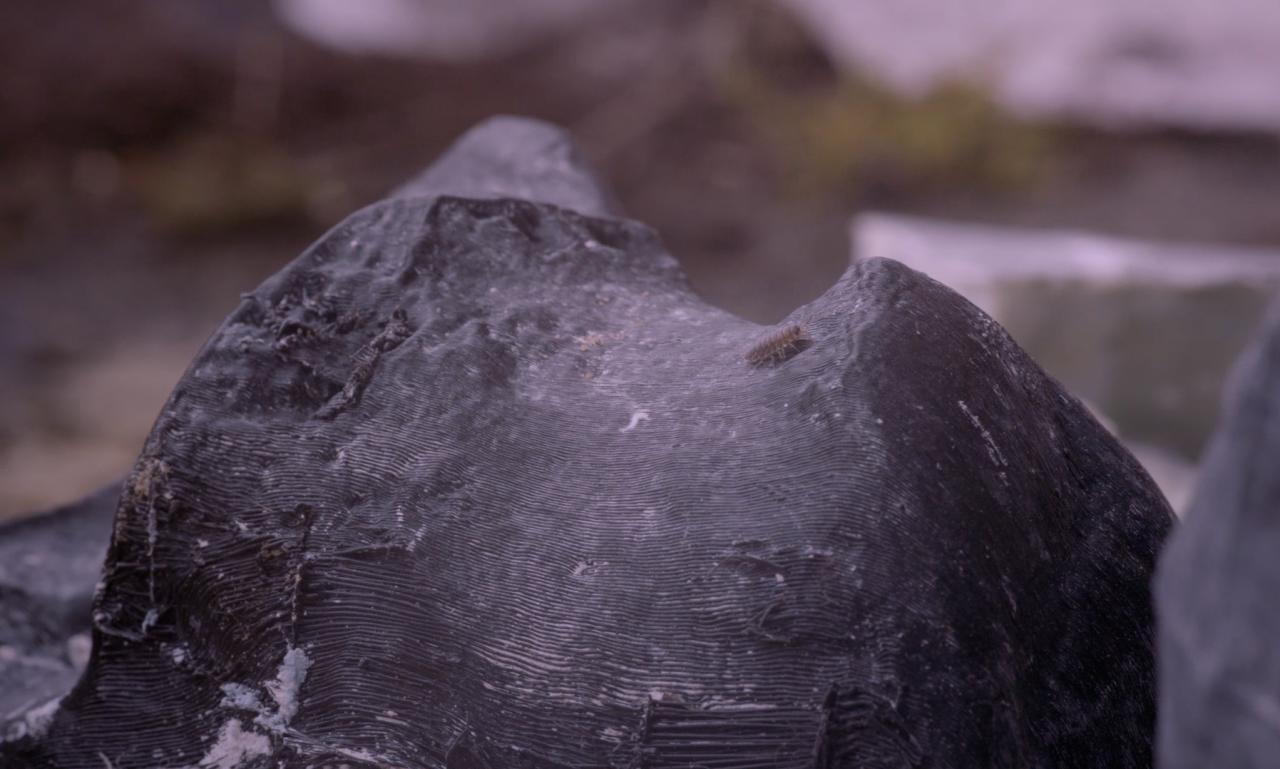
Love canal, 2017 film 2K 5.1, 18 minutes, capture d’écran
300 million years ago, the north of France was a wetland. 140 years ago, a canal is dug and never filled with water. One day, vagabonds decide to go down an invisible river and pick on the way débris of a world to start a new one. The film finds its starting point in the 1970s environmental scandal of Love Canal (NY, USA) who led to the Superfund act (1986), the first federal program on damages caused to natural ressources by industrial sites. From there, the film traces a path through the post-industrial landscapes of north of France and questions, through fiction, the taking in hand (metaphorically and litterally) of those great landscapes.